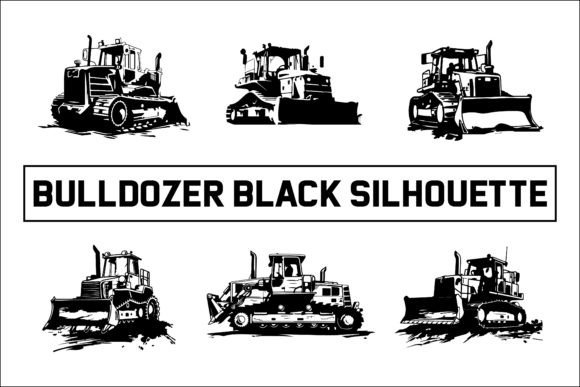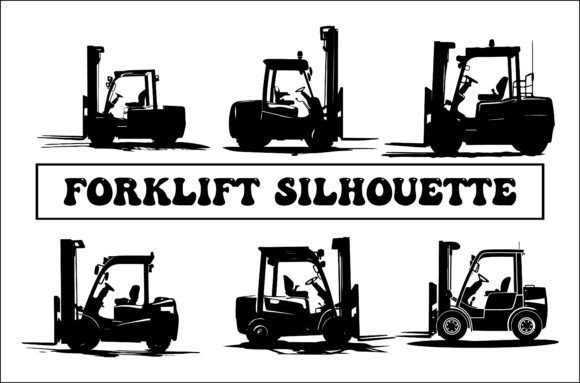
Industrial Machinery 🏗️: Elevating Farm Safety and Agritourism Through Visual Communication
When you think about industrial machinery, the image that comes to mind might be a massive combine harvester moving through golden fields or a forklift navigating a busy warehouse. But there is more to these machines than their physical presence. Industrial machinery 🏗️ represents the backbone of modern agriculture and material handling, enabling efficiency, safety, and productivity. For farmers, agritourism operators, safety trainers, and graphic designers alike, understanding how to communicate the role of these machines is essential. The challenge often lies not in the machinery itself but in how we educate, promote, and visually represent it.
This article explores how industrial machinery 🏗️ connects with farm safety guides, agricultural tourism, and the strategic use of silhouettes across branding, education, and digital media. Whether you are writing a safety manual, designing a brochure for a farm tour, or creating an app interface, these insights will help you communicate more effectively and achieve your goals.
Understanding the Role of Industrial Machinery 🏗️ in Agriculture and Beyond
Industrial machinery 🏗️ covers a wide range of equipment, from combine harvesters and tractors to forklifts and conveyor systems. In agriculture, these machines are indispensable for planting, harvesting, and processing crops. They allow farms to operate on a larger scale, reduce manual labor, and improve output consistency. However, with increased mechanization comes the need for clear safety protocols and user-friendly documentation. This is where farm safety guides become essential.
Many operators face a steep learning curve when first using combine harvesters or other heavy equipment. The manuals provided by manufacturers are often dense and technical, making it difficult for a new operator to grasp key safety steps quickly. The goal is to create guides that are not only accurate but also easy to follow and visually engaging. Industrial machinery 🏗️ provides a powerful visual language that can help bridge the gap between technical information and practical understanding.
Challenges in Farm Safety and Machinery Operation
Operating industrial machinery on a farm carries inherent risks. Combine harvesters, for instance, involve moving parts, high power levels, and complex maintenance routines. Common challenges include:
- Understanding safety protocols – Many operators skip steps because manuals are too long or poorly illustrated.
- Retaining training information – Verbal instructions or text-heavy guides are easily forgotten, especially in high-stress situations.
- Communication barriers – Farms often employ workers with different languages or literacy levels, making visual communication critical.
- Time pressure – During harvest season, operators prioritize speed over safety, which can lead to accidents.
These challenges highlight the need for resources that are clear, concise, and memorable. Industrial machinery 🏗️ can be presented in a way that makes safety information more accessible. For example, a silhouette of a combine harvester with labeled safety zones can quickly show where to stand and where to avoid. This approach reduces cognitive load and helps operators internalize critical information faster.
How Industrial Machinery 🏗️ Enhances Farm Safety Guides
Farm safety guides are most effective when they combine clear instructions with strong visuals. Industrial machinery 🏗️ offers a natural subject forillustration because the shapes of machines are iconic and easily recognizable. Silhouettes, in particular, are a powerful tool for safety communication. They strip away distracting details and focus the viewer on form, action, and spatial relationships.
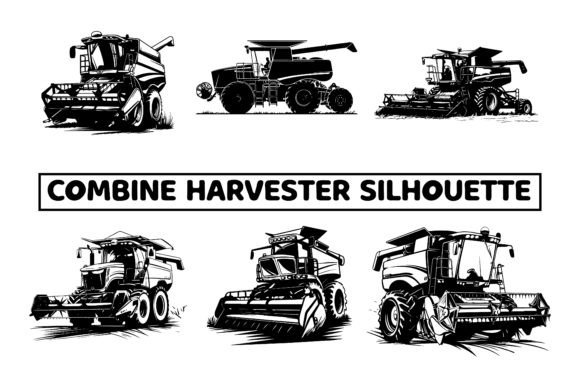
Consider a guide for combine harvester maintenance. Instead of a cluttered photograph, a silhouette can highlight specific parts like the auger, header, or unloading tube. Arrows and labels overlaid on a silhouette create an intuitive learning experience. Similarly, a sequence of silhouettes can demonstrate the correct steps for shutting down the machine or performing pre-operation checks. This method works well for both printed manuals and digital training modules.
Another practical use is in hazard identification. A silhouette showing a person standing in a danger zone communicates risk instantly, without the need for lengthy explanations. Safety trainers can use such images in presentations, handouts, or posters displayed in machine sheds. The goal is to make safety knowledge stick, and industrial machinery 🏗️ silhouettes provide a consistent visual language that operators encounter repeatedly, reinforcing learning over time.
Agricultural Tourism and the Power of Visual Storytelling
Agricultural tourism, or agritourism, has become a vital revenue stream for many farms. Visitors come to experience farm life, see machinery in action, and learn about food production. However, promoting these experiences requires materials that capture the excitement and education of a farm visit. Industrial machinery 🏗️ plays a starring role in many agritourism activities, from combine harvester demonstrations to tractor rides. The challenge is to communicate the experience effectively in brochures, online ads, and social media posts.
Silhouettes are an excellent choice for agritourism marketing because they evoke a sense of nostalgia and universality. A silhouette of a combine harvester against a setting sun can convey the beauty and productivity of farming without being tied to a specific brand or model. This allows potential visitors to imagine themselves in the scene. Agritourism operators have found that using silhouettes in promotional materials leads to higher engagement because the images are clean, emotionally resonant, and easy to reproduce across different media.
For example, a farm that offers machinery demonstrations can use a series of silhouettes in a brochure to show the progression of a harvest. Each silhouette represents a stage – cutting, threshing, separating – with brief text explaining the process. This approach educates potential visitors before they arrive, building anticipation and setting expectations. In online ads, silhouettes can be animated or paired with call-to-action buttons to increase click-through rates. The simplicity of the silhouette ensures that the message remains clear even on small screens.
Practical Examples of Using Silhouettes with Industrial Machinery 🏗️
Understanding how to apply silhouettes in real-world contexts is the key to getting value from this approach. Below are examples organized by common use cases, each tied to industrial machinery 🏗️ and the needs of different users.
Graphic Design and Branding: Logo Design
A silhouette of a combine harvester can symbolize efficiency and innovation in agricultural equipment logos. Brands that want to project strength and reliability often choose bold, simplified machine shapes. A forklift silhouette works well for material handling companies, while a tractor silhouette is ideal for farm equipment retailers. The silhouette becomes a memorable mark that customers associate with quality and expertise.
Digital and Online Use: Websites and Blogs
If you run a blog about harvesting technology, using industrial machinery 🏗️ silhouettes as header images or icons can instantly communicate your topic. For example, a silhouette of a combine harvester at the top of an article about grain loss reduction tells readers exactly what to expect. Icons made from machine silhouettes help users navigate categories like “harvesting,” “safety,” or “maintenance” without reading labels.
Educational and Informative Content: Infographics
Infographics that illustrate the stages of crop harvesting benefit greatly from industrial machinery 🏗️ silhouettes. Each stage – from field preparation to storage – can be represented by a specific machine shape. This creates a visual flowchart that is easy to scan and remember. Educators and extension agents use such infographics in workshops and online courses to simplify complex processes.
Print Media: Posters and Banners
For advertising farm machinery sales or agricultural events, industrial machinery 🏗️ silhouettes create striking visuals. A poster featuring a large combine harvester silhouette with event details overlaid is both professional and attention-getting. The lack of clutter ensures that key information stands out. Similarly, banners for trade shows can use a series of machine silhouettes to represent the range of equipment on display.
Decorative and Artistic Applications: Wall Art
Many farms and agricultural businesses use industrial machinery 🏗️ silhouettes as wall art in offices, waiting areas, or retail spaces. These pieces create a rustic or farm-themed atmosphere without requiring detailed illustrations. Canvas prints or metal cutouts of combine harvesters or forklifts add a touch of authenticity to the environment. Customers and employees alike appreciate the nod to the industry’s heritage and modern capabilities.
Corporate and Business Use: Business Reports
Industrial machinery 🏗️ silhouettes are effective on the covers of business reports discussing trends in agricultural machinery. A clean, streamlined image signals professionalism and attention to detail. Inside the report, small silhouettes can serve as section dividers or bullet point markers, maintaining visual continuity throughout the document. This seemingly small touch can improve reader engagement and brand recall.
Specialized Uses: Agricultural Software
Software designed for farm management, equipment tracking, or precision agriculture can integrate industrial machinery 🏗️ silhouettes as icons within the app interface. For example, a silhouette representing a combine harvester might open a module for harvest reports, while a forklift silhouette leads to inventory management. These icons are intuitive, require minimal localization, and work well at small sizes on mobile screens.
How Different Users Approach Industrial Machinery 🏗️ Visuals
Not everyone will use industrial machinery 🏗️ silhouettes in the same way. Understanding your audience helps you choose the right style and application.
Farmers and equipment operators typically prioritize clarity and safety. For them, silhouettes should be accurate and show realistic proportions. They might use them in custom safety manuals or on signage around the farm. The focus is on preventing accidents and improving training outcomes.
Agritourism operators are more concerned with marketing and visitor engagement. They prefer silhouettes that are artistic and evoke emotion. A sunset scene with a combine harvester silhouette appeals to families looking for a memorable experience. These users might invest in custom illustrations that reflect their specific location or activities.
Graphic designers and brand managers need versatility and scalability. They look for silhouette assets that can be resized, recolored, and combined with other elements. Industrial machinery 🏗️ silhouettes fit well into modern design systems, allowing them to create coherent campaigns across print, web, and social media.
Safety trainers and educators require precision and instructional clarity. They benefit from silhouettes that show multiple views – front, side, and top – of machinery. These images help learners understand spatial relationships and movement patterns. Trainers often combine silhouettes with labels, arrows, and steps to create comprehensive learning aids.
Software developers and UX designers look for simplicity and consistency. They need industrial machinery 🏗️ silhouettes that work as interface icons, which means they must be recognizable at small sizes and in monochrome. A well-designed silhouette icon improves usability and reduces the time users spend searching for features.
Recommendations for Getting Started with Industrial Machinery 🏗️ Silhouettes
If you are ready to incorporate industrial machinery 🏗️ silhouettes into your projects, here are practical steps to ensure success:
- Start with clear goals – Determine whether your primary need is safety communication, marketing, branding, or education. Your goal will guide the style and complexity of the silhouettes you choose.
- Use high-quality assets – Invest in vector silhouettes that can be scaled without losing resolution. Many stock graphic sites offer industrial machinery 🏗️ silhouettes, or you can commission custom designs for a unique look.
- Test for recognition – Show silhouettes to a sample audience to ensure they are instantly identifiable. A combine harvester silhouette that looks like a generic box will not communicate effectively.
- Pair with concise text – Silhouettes work best when supplemented with clear, brief copy. Use headings, bullet points, or labels to provide context without overwhelming the visual.
- Consider color and contrast – For maximum impact, use silhouettes in high-contrast color schemes. Black or dark gray on a white or light background is standard, but you can also use brand colors for consistency.
- Repurpose across media – Once you have a set of industrial machinery 🏗️ silhouettes, use them in multiple formats: training posters, social media graphics, website icons, and event banners. This creates a cohesive visual identity.
Outcomes and Benefits of a Silhouette-First Approach
Adopting industrial machinery 🏗️ silhouettes in your farm safety guides, agritourism materials, or corporate branding yields tangible results. Safety trainers report faster comprehension and better retention when trainees can visualize machine parts and hazard zones through simple images. Agritourism operators see increased bookings when their ads feature evocative silhouettes that stand out in a crowded digital feed. Designers appreciate the flexibility and professional look that silhouettes bring to their work.
Furthermore, using silhouettes reduces production time and cost. Unlike detailed illustrations or photographs, silhouettes are quick to create and easy to modify. You can change colors, rotate, or combine multiple silhouettes without losing visual quality. This efficiency is particularly valuable for small farms or businesses that need to produce materials in-house.
From a user experience perspective, industrial machinery 🏗️ silhouettes eliminate distractions. They focus attention on the machine itself and the action or context in which it is used. This clarity builds trust and confidence, whether the viewer is a farm worker learning safety procedures or a tourist deciding which farm event to attend.
Final Considerations for Implementation
As you integrate industrial machinery 🏗️ silhouettes into your projects, keep the long view in mind. The best visual strategies are those that can evolve with your needs. Start with a core set of silhouettes representing your primary equipment – combine harvesters, tractors, forklifts, or conveyors – and build from there. Over time, you can expand into specialized machines or create variations for different seasons and events.
Also, remember that silhouettes are not a replacement for all visual content. They work best when used intentionally to complement photos, diagrams, or text. A safety guide might use photos for realistic context but switch to silhouettes for step-by-step instructions. An agritourism brochure could feature a silhouette on the cover and inside pages with full-color photos of the experience. This balance ensures your materials are both engaging and informative.
Industrial machinery 🏗️ is more than steel and engines – it is a symbol of productivity, heritage, and innovation. By using silhouettes to represent these machines, you tap into a universal visual language that resonates with diverse audiences. Whether your aim is to improve farm safety, attract visitors to your farm, or build a strong brand, this approach offers a practical and scalable solution.
Start small. Choose one project – a safety poster, a social media ad, or a training infographic – and apply the silhouette technique. Observe how your audience responds. You will likely notice that complex information becomes easier to digest, and your promotional content gains a distinctive, professional edge. From there, you can expand your use of industrial machinery 🏗️ silhouettes across more channels, confident that you are providing clear, helpful, and visually appealing materials that serve the needs of your community.