Harvest Technology Silhouette in Visual Branding
What Is a Harvest Technology Silhouette and Why Does It Matter?
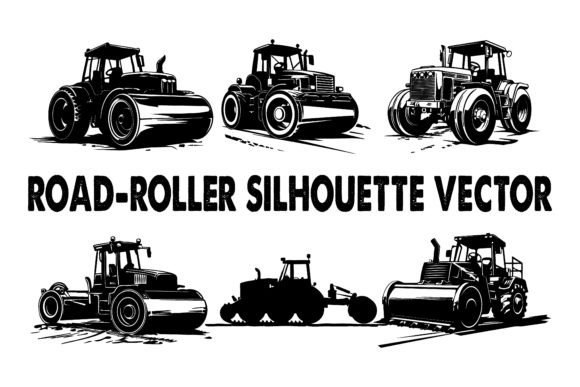
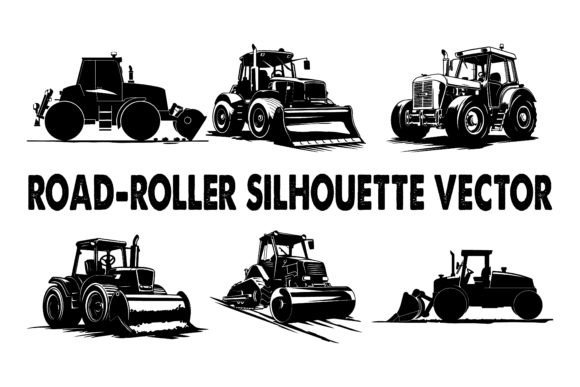
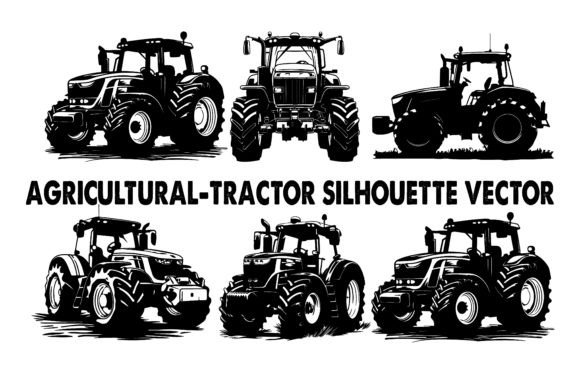
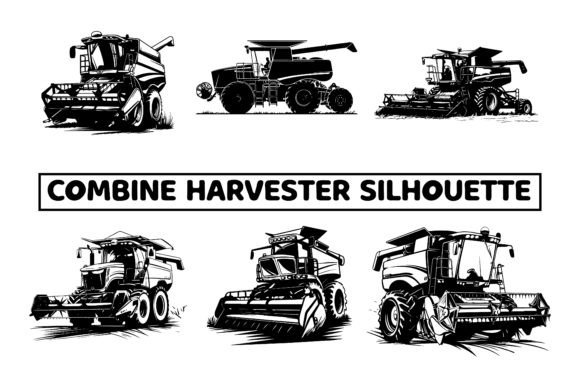
A harvest technology silhouette is a simplified, high-contrast visual representation of farming or harvesting equipment, often depicting tractors, combines, threshers, or irrigation systems in solid dark form against a lighter background. Unlike detailed technical drawings, a silhouette strips away complexity and focuses on shape, motion, and purpose. This makes it a versatile tool in graphic design, marketing, education, and digital content creation. For small business owners, a single silhouette can anchor a brand identity. For educators, it can illustrate complex machinery without visual noise. For marketers, it can create instant recognition in an advertisement or social media post. The beauty of the silhouette lies in its adaptability. Whether you are a beginner experimenting with design software or a seasoned professional building a full campaign, the harvest technology silhouette offers a clean, modern way to connect with audiences who value clarity and relevance.
Graphic Designers and Branding Professionals
For graphic designers, the silhouette is a foundation for building cohesive visual systems. A well-crafted harvest technology silhouette can appear across a logo, a business card, a website header, and a product package without feeling repetitive. It works in both print and digital formats because its bold form holds up at small sizes and retains impact when scaled up. Designers often pair silhouettes with earthy color palettes or modern typography to create a brand voice that feels both grounded and forward-looking. If you are a freelancer working with an agricultural client, starting with a silhouette allows you to focus on shape and metaphor before diving into detail. The silhouette becomes the centerpiece that ties together stationery, signage, and digital assets. It also simplifies collaboration because the client can quickly see the core visual direction without getting lost in texture or shading.
Business Owners and Entrepreneurs in Agriculture
If you run a machinery dealership, a farming cooperative, or a company that sells irrigation equipment, your brand needs to be memorable and trustworthy. A harvest technology silhouette in your logo or marketing materials immediately signals what you do. It is direct. It tells a farmer or a buyer that you understand the tools of their trade. For a small business owner with limited marketing resources, a silhouette-based identity is cost-effective. You can use the same graphic on a letterhead, a Facebook ad, and a banner for a county fair. Because silhouettes tend to be timeless, you are less likely to need a rebrand in a few years. They also work well in one-color printing, which keeps production costs low for brochures, flyers, and tradeshow materials. The silhouette helps you stand out without needing a complicated design or expensive photography.
E-Commerce Sellers and Online Marketers
Online marketplaces are crowded. A product listing on Amazon, eBay, or a specialized equipment site needs to stop a scrolling buyer in seconds. Harvest technology silhouettes enhance product thumbnails by adding visual context. For example, placing a silhouette of a combine harvester next to a spare part listing helps the buyer immediately recognize the product category. It also reduces confusion in categories where parts look similar. Marketers running digital ads on social media or search engines find that silhouettes load quickly, work well in small ad spaces, and don't distract from the call-to-action. If you manage multiple product listings, a consistent silhouette style across your catalog creates a sense of professionalism and brand presence. Buyers begin to associate the silhouette with reliable products, which builds trust over time.
Educators, Trainers, and Content Creators
Teachers and e-learning developers need visuals that explain without overwhelming. A harvest technology silhouette is perfect for infographics that break down the harvesting process, compare machinery types, or show the evolution of farming equipment. Students can focus on the shape and function of a machine rather than getting distracted by realistic rendering or brand-specific details. If you create online courses about modern agriculture, incorporating silhouettes into slide decks, handouts, or instructional videos makes the material more accessible. Hobbyists and farming enthusiasts also appreciate silhouettes for personal projects. A blogger writing about tractor maintenance might use a silhouette as a featured image. A YouTuber creating a video about combine operation might use a silhouette in the intro animation. The low visual complexity means the silhouette complements text and narration rather than competing with it.
Print Media That Demands Attention
Posters, banners, brochures, and flyers for agricultural events need to communicate quickly. A harvester silhouette on a poster for a machinery expo acts as a visual shorthand. It tells the viewer that the event is about equipment, efficiency, and the business of farming. When used on a banner at a trade show, the silhouette helps your booth draw the eye from across the hall. In print, the silhouette can be printed in a single bold color, which keeps costs down while maintaining visual impact. For companies that participate in multiple events each year, reusing a silhouette-based design saves time and ensures brand consistency across different seasons and promotions.
Digital Presence from Websites to Social Media
Websites in the agricultural sector often use hero images or background graphics. A harvest technology silhouette can serve as a subtle repeating pattern, a standalone icon, or a section divider. It loads fast, works on mobile devices, and looks clean on any screen size. On social platforms like Instagram, Facebook, or Pinterest, silhouettes perform well because they are visually simple and easy to recognize in a feed. A marketer can pair a silhouette with a short caption about harvesting tips or equipment maintenance to create highly shareable content. For Pinterest, in particular, silhouettes work well as pins because they scale gracefully and don't lose detail when saved and reshared. Online ads benefit from the same properties. A silhouette in a digital ad for a harvest technology product or service creates instant category recognition and avoids the complexity of showing actual machinery in action.
Educational Infographics and E-Learning Materials
Infographics about the harvest cycle, grain handling, or farm safety can use silhouettes as anchors for each step. A silhouette of a tractor pulling a grain cart, for instance, visually explains a concept without needing a photo. In e-learning modules, silhouettes can be used in interactive diagrams where the user clicks on different parts of a machine to learn more. Because silhouettes are abstract, they work across different cultures and regions where specific machine models might vary. Educators appreciate that silhouettes keep the focus on the function rather than the brand or model. This makes the learning material more inclusive and longer-lasting, as it does not become dated when a particular machine model is retired or upgraded.
Consider Your Skill Level and Resources
If you are a beginner in design or marketing, using a pre-made harvest technology silhouette is a low-risk way to create professional-looking materials. You can find high-quality silhouettes online or create simple ones using vector tools. The silhouette covers up a lack of detail while still looking deliberate and polished. For experienced designers, the silhouette can be a starting point for more complex illustrations, animations, or multi-layered brand systems. Your skill level determines whether you use the silhouette as-is or transform it into something unique. Both approaches are valid, and the flexibility of the silhouette makes it accessible at any level.
Evaluate Your Goals for Longevity and Versatility
If you want a visual that will last for years without feeling outdated, a harvest technology silhouette is a strong choice. It avoids trends like realistic rendering or overly stylized illustrations that might age quickly. For a business that sells equipment with a long product lifecycle, the silhouette matches the tone of durability and reliability. If your goal is to create content quickly across many platforms, the silhouette reduces the time spent on custom graphics for each channel. You can resize, recolor, and reposition it without losing quality. On the other hand, if your brand relies on high-detail photography or emotional storytelling, the silhouette might feel too minimal. Consider your audience: if they value technical detail and realism, supplement silhouettes with explanatory text or close-up imagery. If they value speed, clarity, and brand recognition, the silhouette can carry much of the visual weight on its own.
Matching the Silhouette to Your Audience and Project Type
Different audiences interact with harvest technology silhouettes in different ways. A hobbyist might use a silhouette for a personal blog or a social media page about farm life. For them, the silhouette is a way to express an interest without needing professional design skills. A small business owner might use the silhouette on product packaging, where it helps the product stand out on a shelf or in an online listing. A marketer might rely on the silhouette for digital ads that require quick load times and clear visual messaging. An educator might use the silhouette to create worksheets, presentations, or online course modules that students can engage with regardless of their background knowledge. Understanding your own role helps you decide how much to emphasize the silhouette in your project. If you are creating materials for an audience that already knows the equipment well, the silhouette can be subtle and background. If your audience is learning about the technology for the first time, the silhouette can be a central teaching tool.
Practical Examples for Different Reader Types
A freelance graphic designer working with a new tractor dealership client can propose a logo built around a clean combine silhouette. The logo works on the dealership sign, the website, and the invoice template. The client sees the value because the silhouette communicates the business instantly. An entrepreneur starting an online store for irrigation parts uses a silhouette in the store banner and on each product category page. Buyers navigate more easily and trust the store because it looks specialized and organized. A high school agriculture teacher uses a silhouette diagram to explain the difference between a combine and a swather. Students grasp the shape and purpose without needing to memorize model numbers. A blogger writing about organic farming techniques uses a silhouette as a consistent visual across posts. Readers come to recognize the blog by the silhouette style alone. A marketer running a Facebook ad campaign for a harvest equipment sale uses a silhouette in the ad creative. The ad loads fast, the message is clear, and the audience clicks through because they immediately understand the offer.
Long-Term Value and Practicality
The harvest technology silhouette is not a passing trend. Its utility spans print, digital, educational, and commercial contexts. For anyone who works with agricultural topics, the silhouette offers a reliable visual shorthand that saves time, reduces design costs, and communicates clearly. Whether you are creating a single poster or an entire brand identity, the silhouette adapts to your scale and your budget. It performs well in SEO-friendly content because it supports clean layouts and fast-loading pages. For consumers and hobbyists, it provides a simple way to engage with a topic that can otherwise feel technical or distant. For professionals, it streamlines workflows and strengthens brand recognition. The decision to use a harvest technology silhouette comes down to whether you value clarity, versatility, and longevity. If those qualities match your project, the silhouette will serve you across multiple formats and years of use.